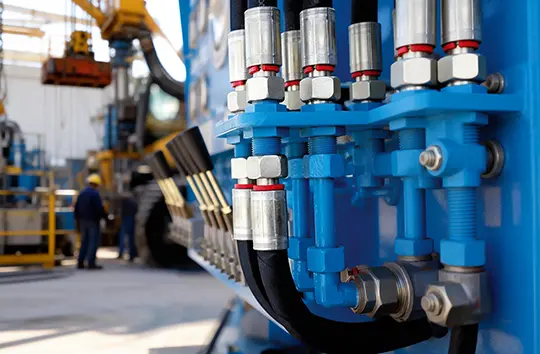
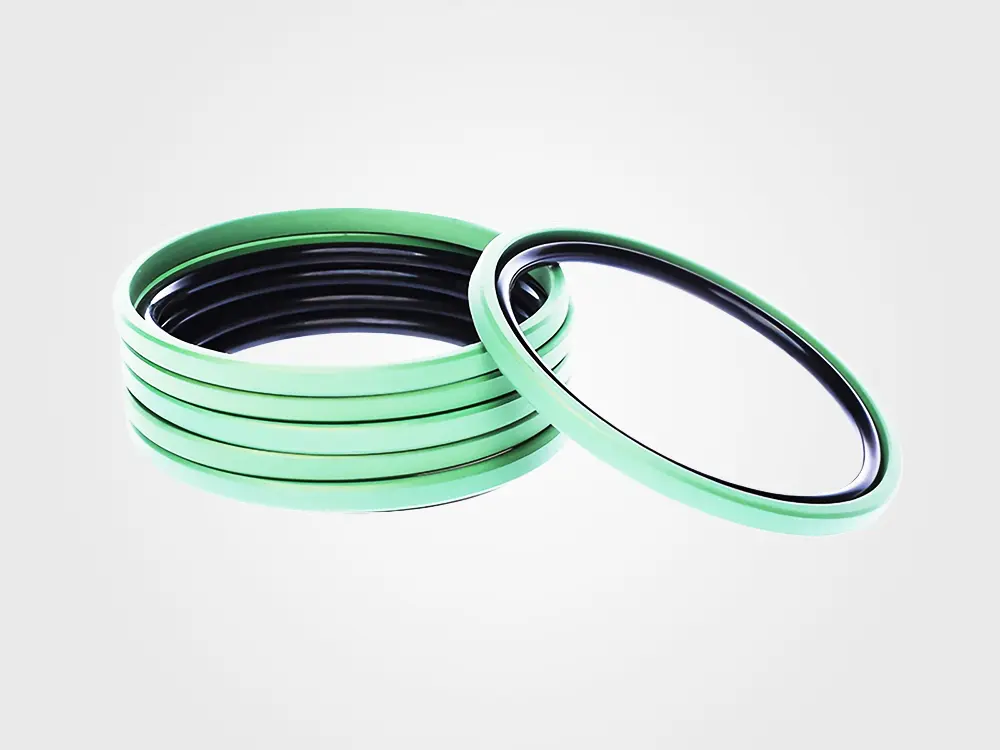
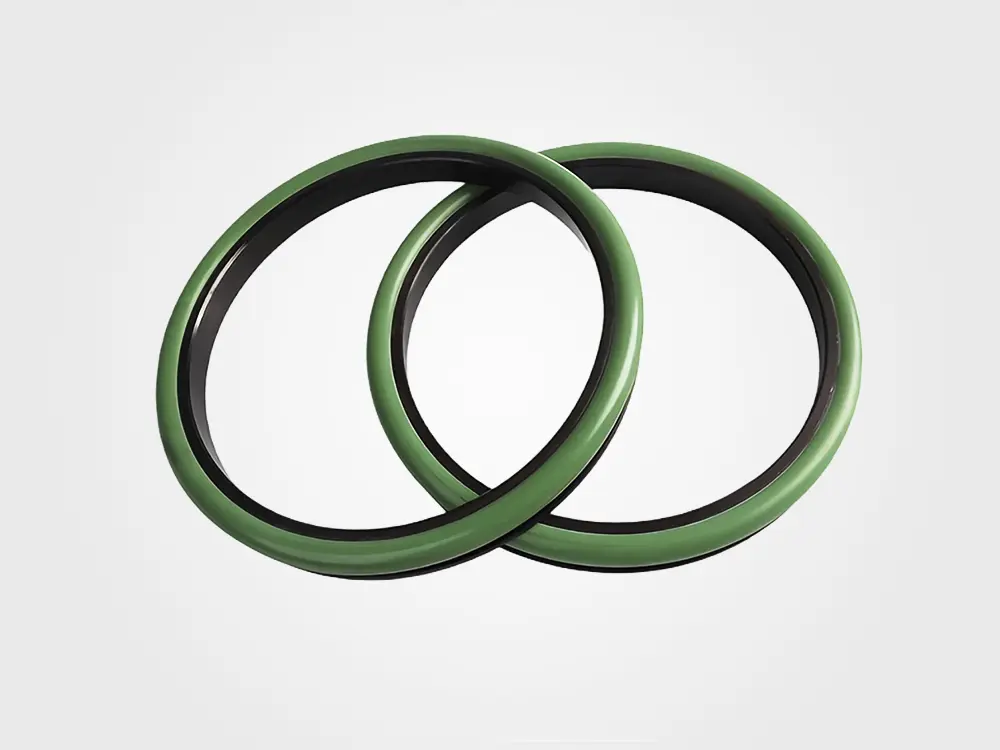
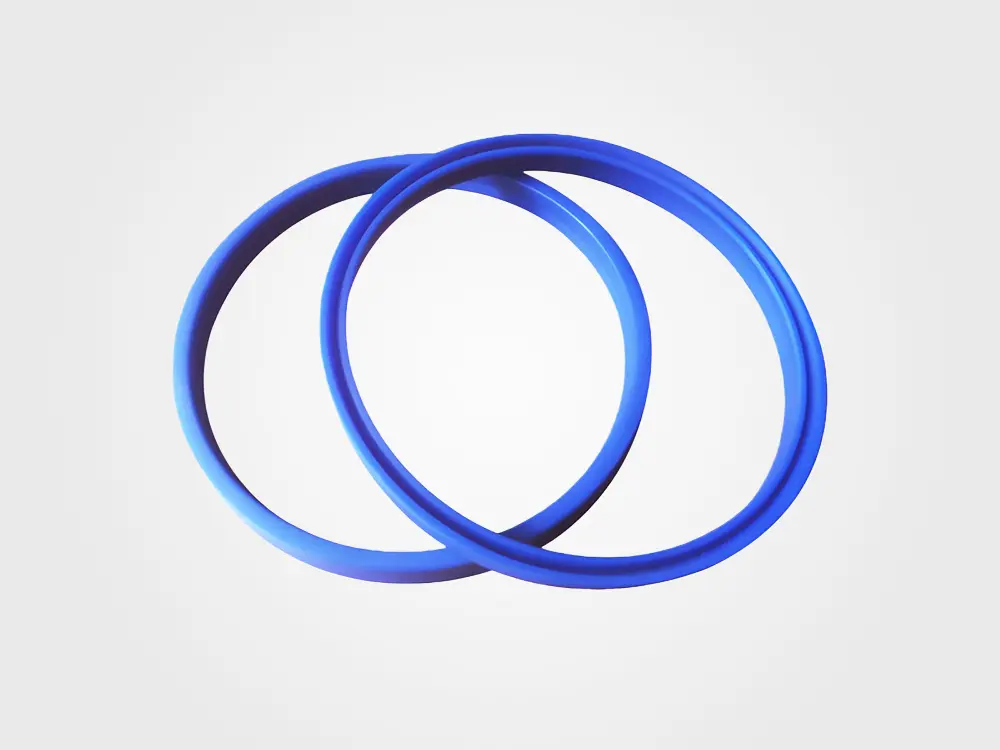
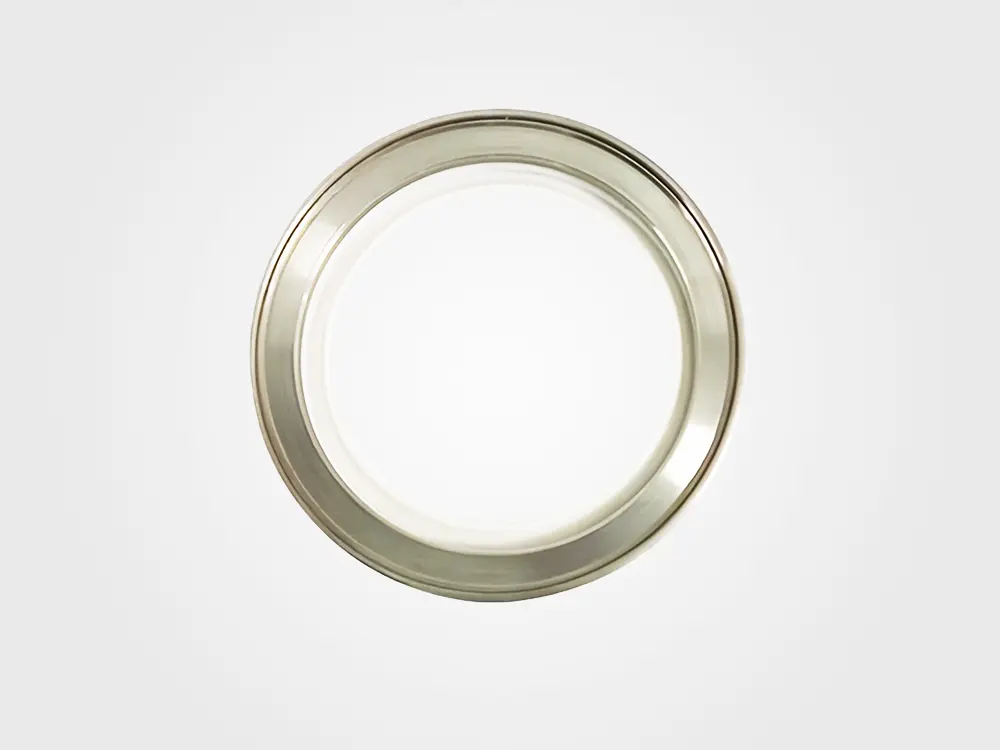

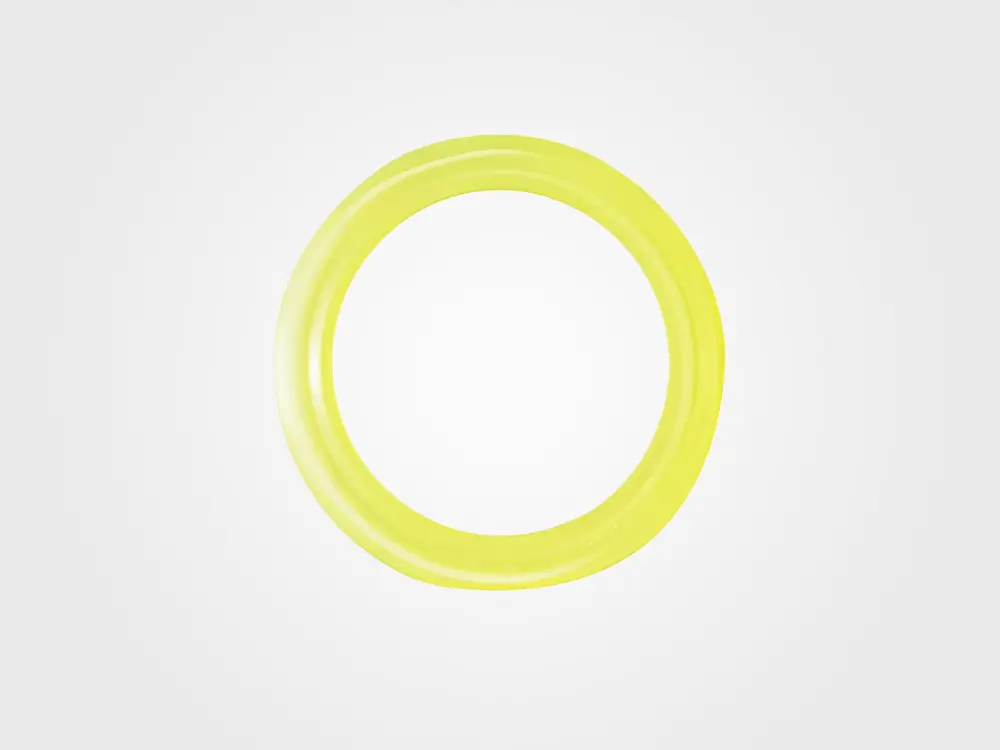
Our O-rings and sealing rings are engineered for high-precision sealing across diverse industrial landscapes. With a dimensional tolerance of up to ±0.05mm, these seals provide a perfect fit for everything from delicate electronics to heavy-duty hydraulic systems. Available in a vast array of high-performance elastomers, our rings ensure IP68-level protection, outstanding aging resistance, and long-term reliability in even the most demanding chemical and thermal environments.
Temperature Range -40°C to 200°C
Size Range Φ2mm – Φ500mm
Tolerance Precision ±0.05mm
Sealing Grade IP65 – IP68

Complies with ISO 3601, ASTM D1418, and GB/T 3452 standards.

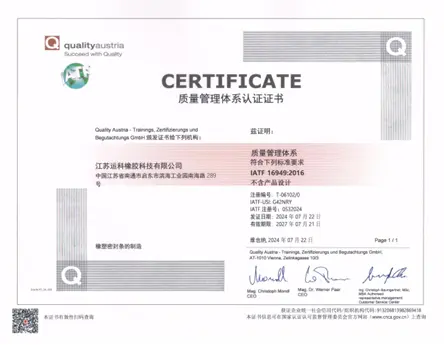
Automotive-grade quality fully certified under IATF 16949.

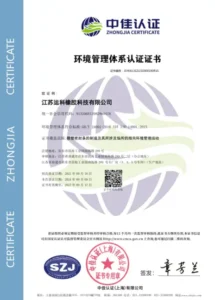
Operations adhere to the ISO 14001 environmental management system.

Passed 100% rigorous oil, corrosion, and anti-aging performance tests.
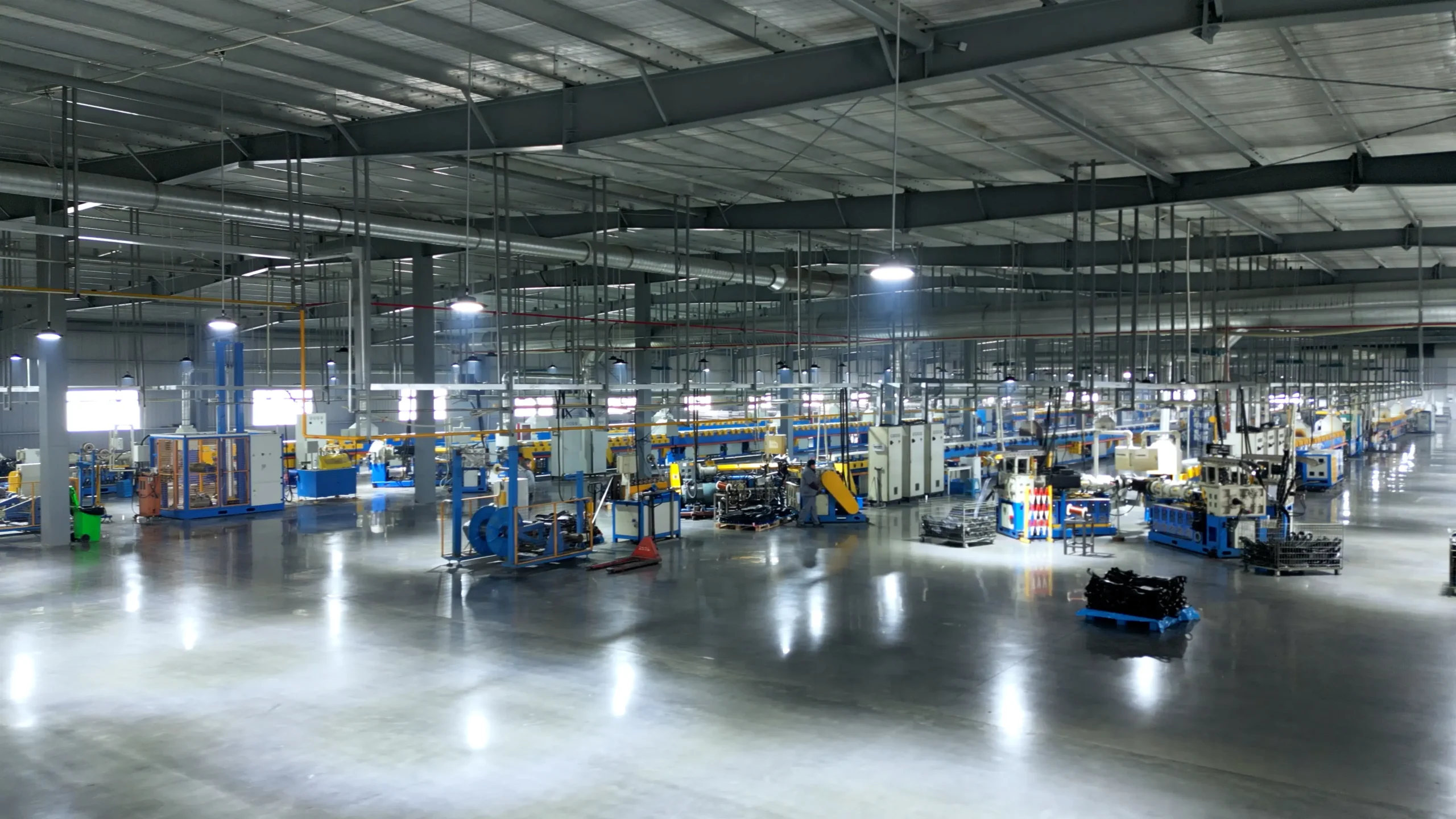
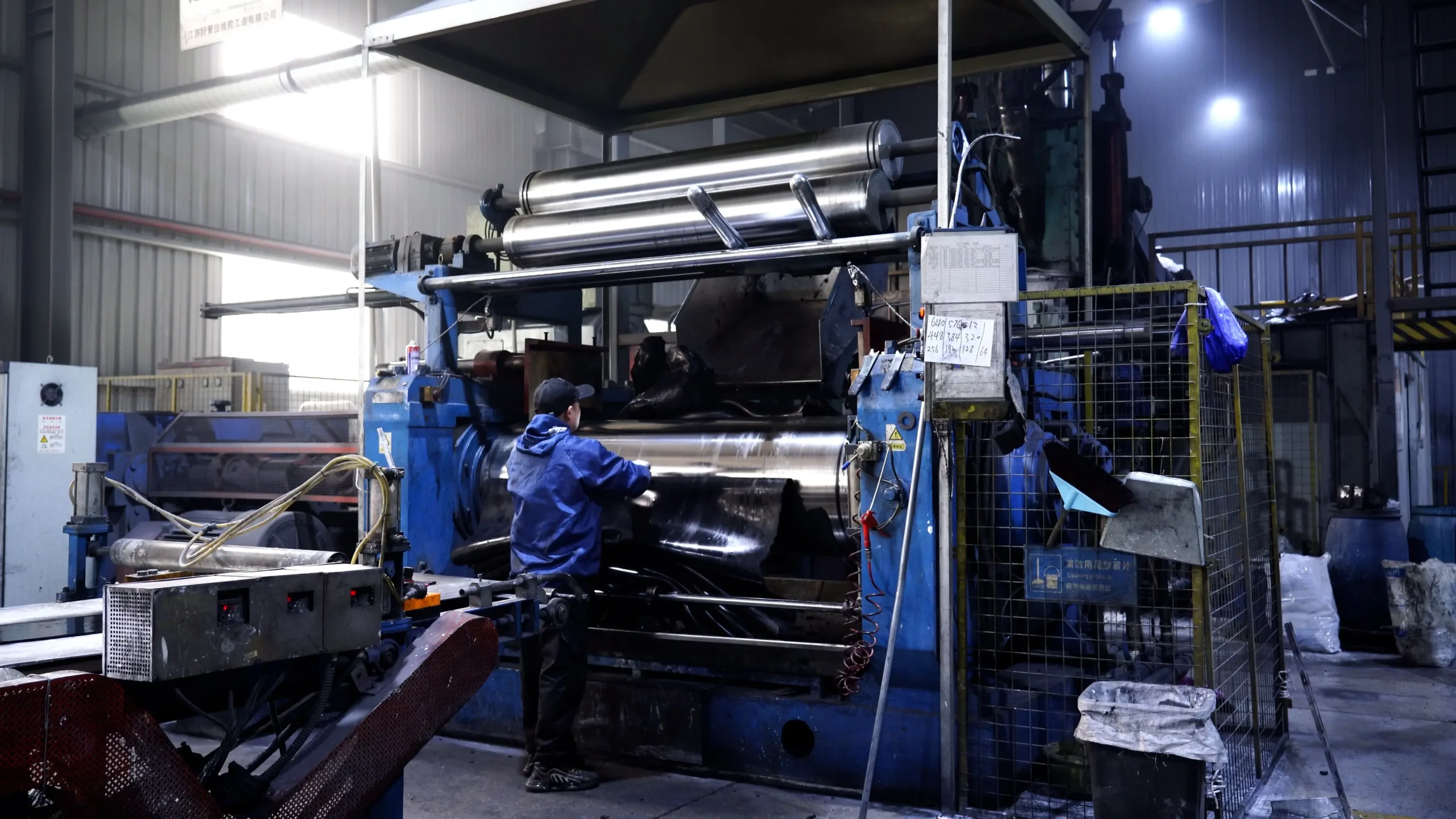
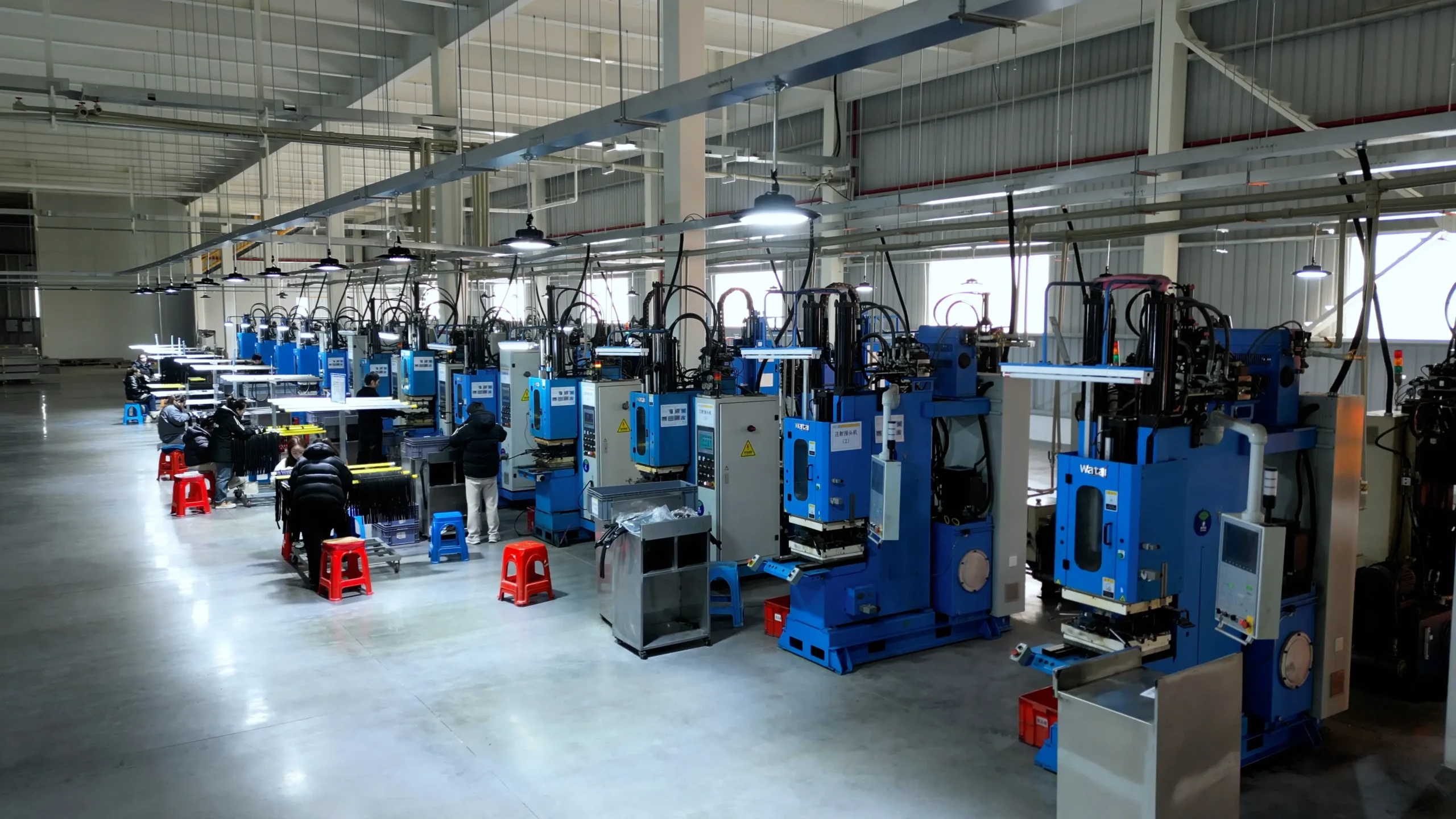
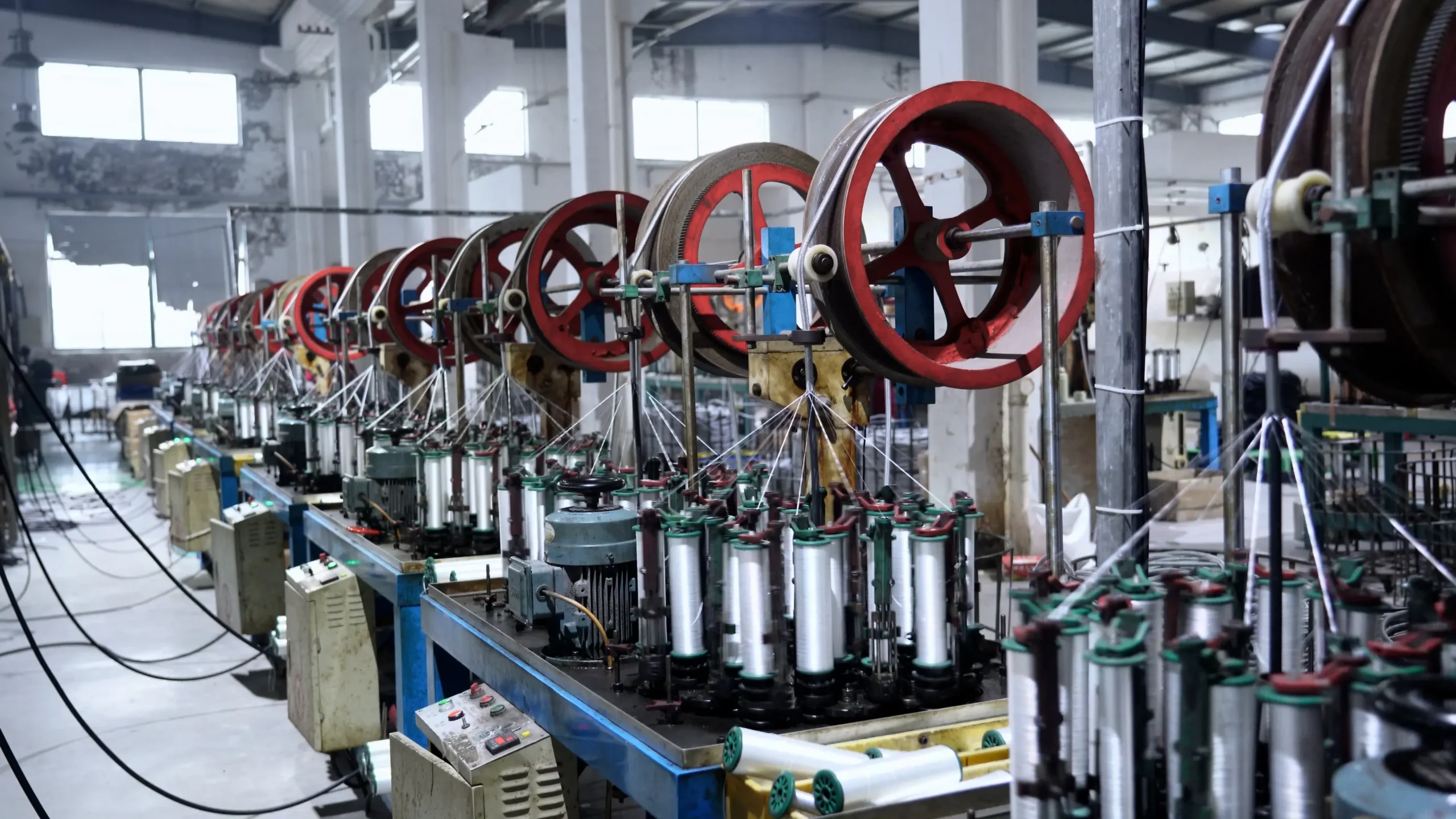
With a fully vertically integrated production system, UPT achieves full-process control from polymer material formulation R&D to finished product certification and delivery.
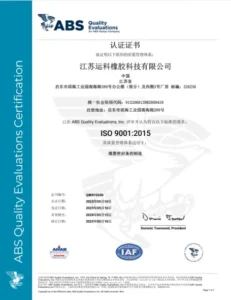
Our company has successively obtained the three authoritative certifications of IATF 16949 Automotive Quality Management System, ISO 14001 Environmental Management System and ISO 9001 Quality Management System, fully meeting the stringent standards of various industries worldwide, especially those in the automotive sector.
During production of sealing strips, our QC engineers cut cross-sections for 10x magnified checks every 20 minutes. They accurately measure the rubber products’ dimensions, tolerances and geometric errors to ensure they match design drawings and meet customer assembly needs.
We also test the products’ physical and chemical properties per standards to guarantee complete vulcanization and stable performance. Friction and wear tests are carried out to check the abrasion resistance of rubber products and their coatings, while mechanical tests verify the material’s tensile and tear strength.
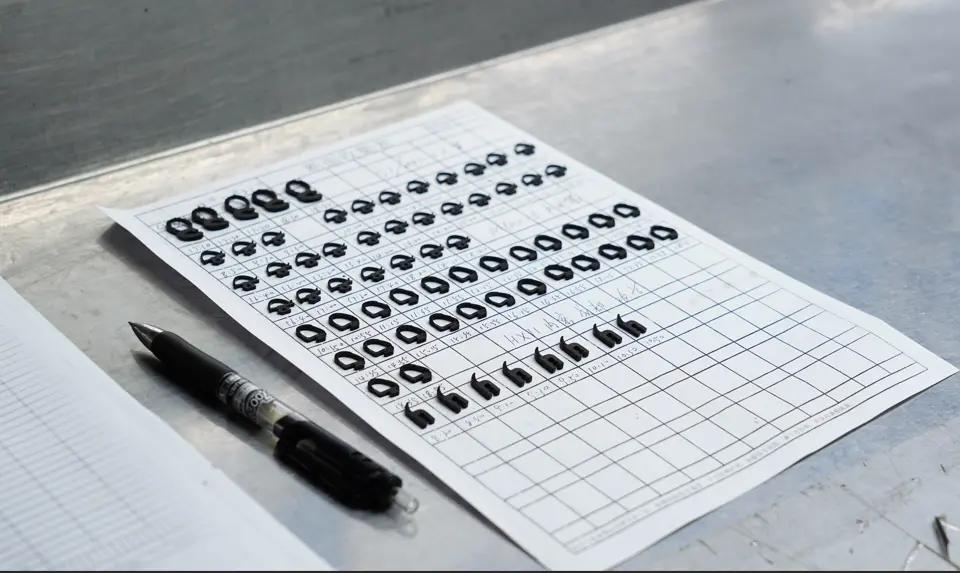
20-Min Interval Cross-Section Checks
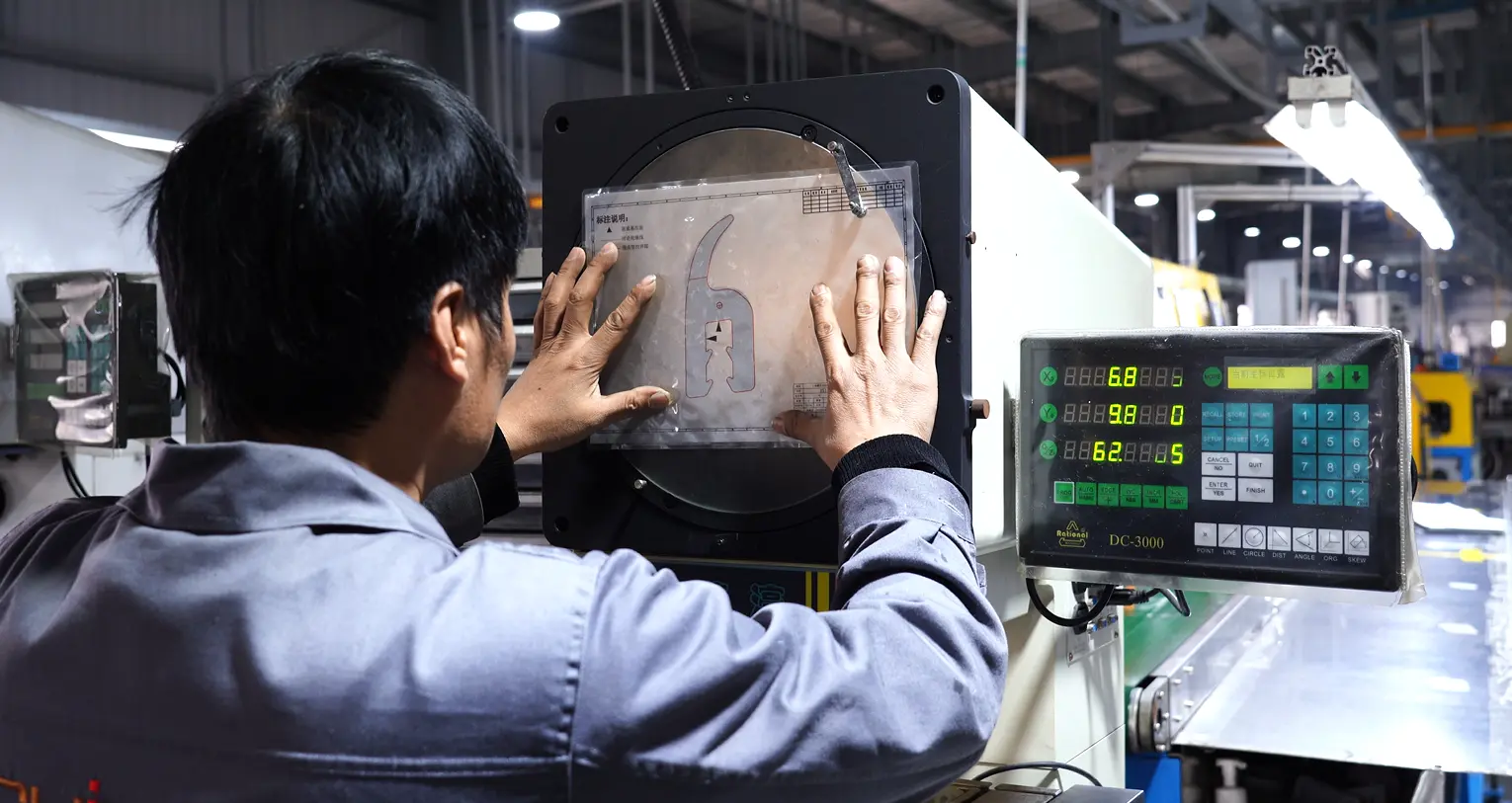
10x Magnification | Precision Guaranteed
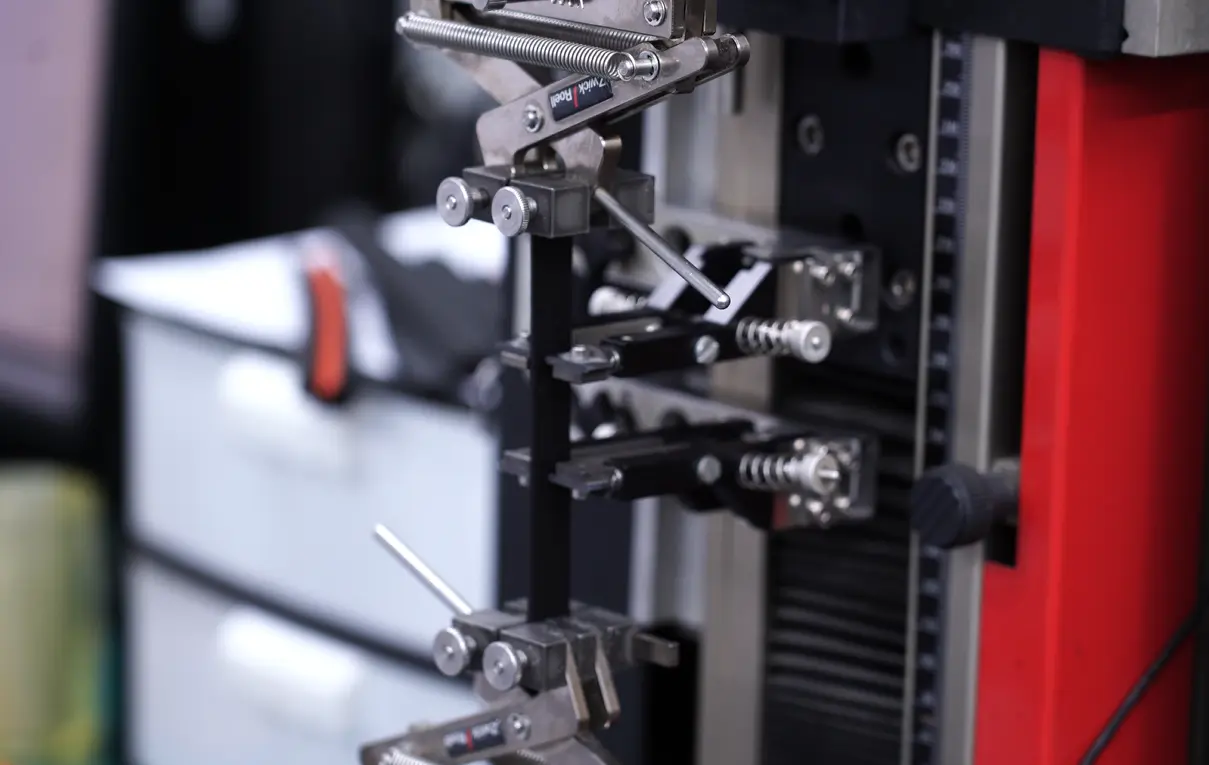
Tested for Tensile & Tear Resistance
Spanning approximately 500 square meters, our laboratory is fully equipped with advanced apparatus and boasts strong testing capabilities.We can independently conducting comprehensive testing on a wide range of rubber products。
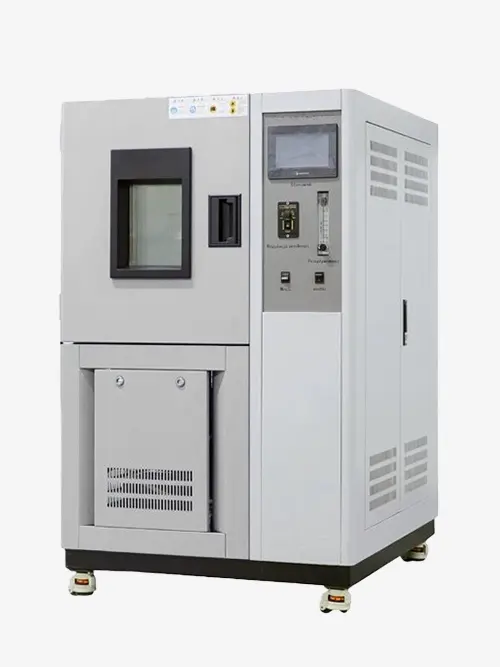
Ozone Aging Test Chamber
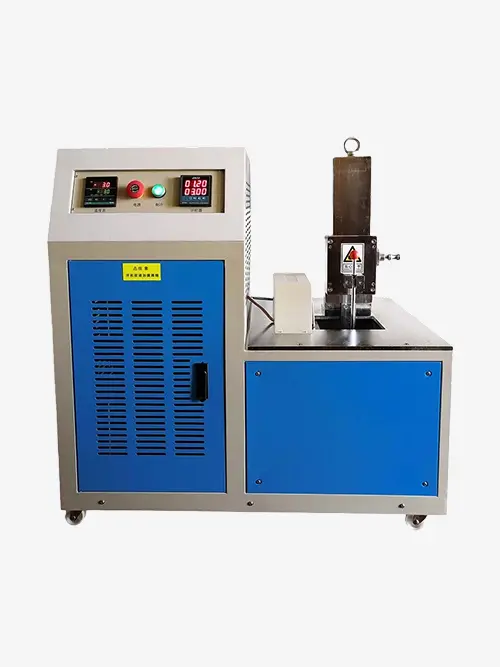
Low Temperature Brittleness Tester
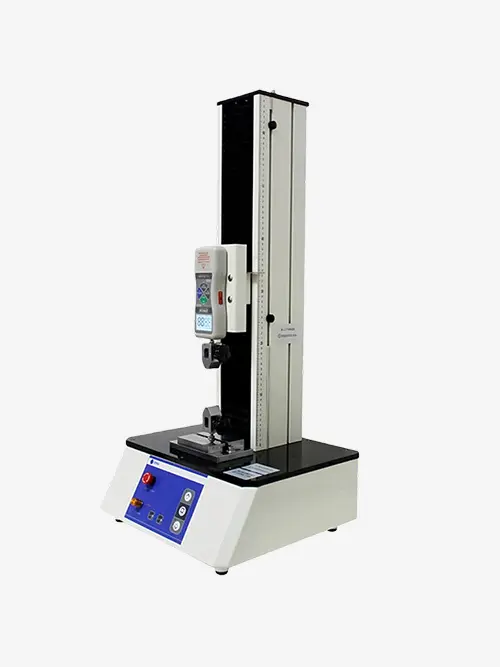
Electronic Tensile Testing Machine
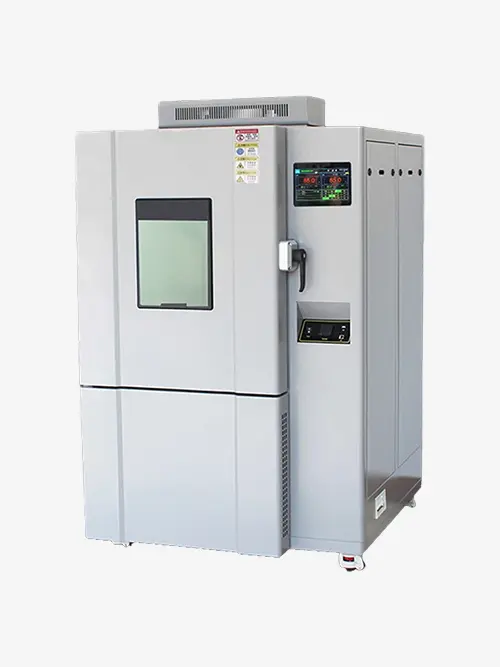
High and Low Temperature Alternating Humidity and Heat Test Chamber
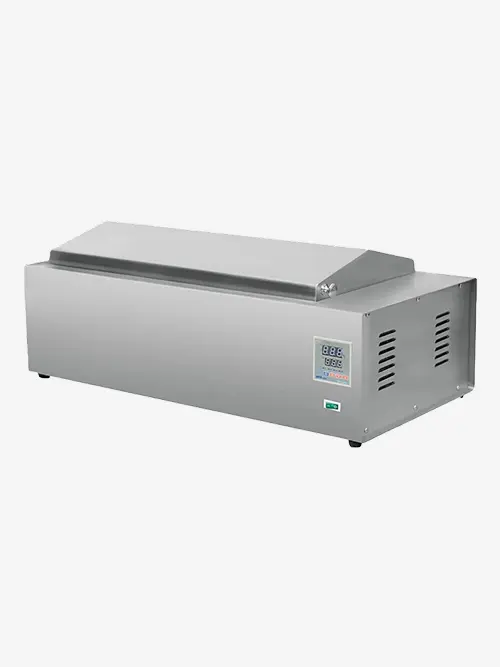
Constant Temperature Water Tank
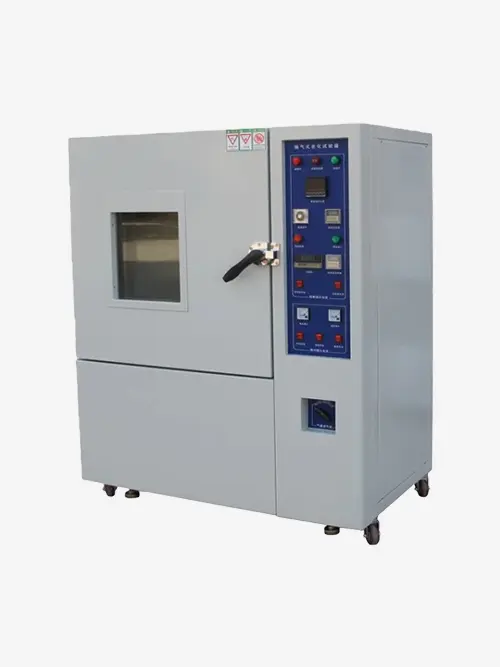
Aging Test Chamber
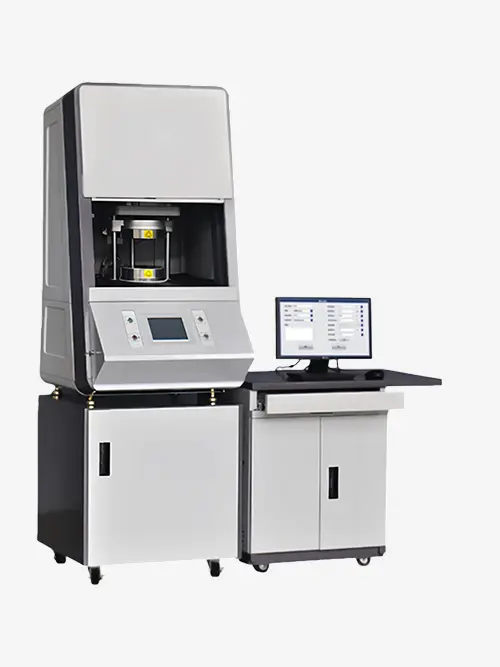
Mooney Viscometer
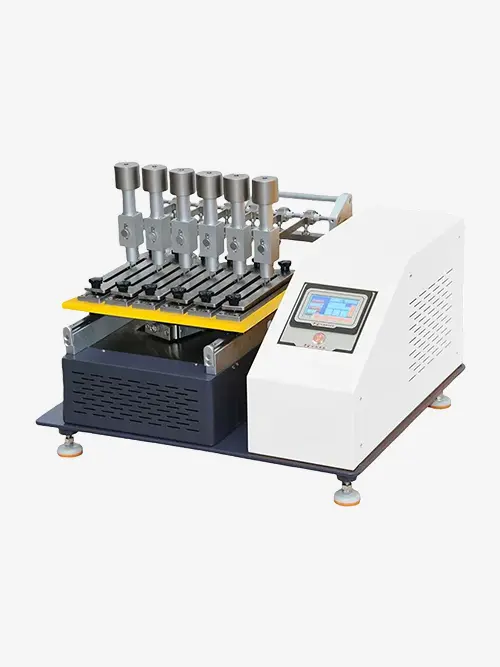
Automotive Seal Strip Abrasion Tester
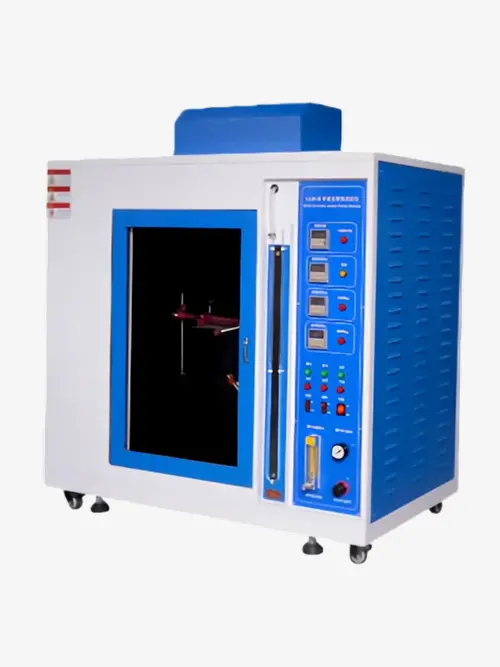
Automotive Interior Combustion Test Chamber
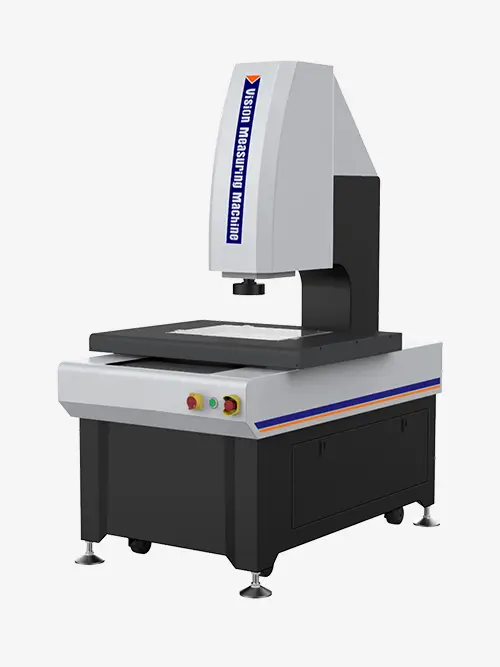
Fully Automatic Image Measuring Instrument
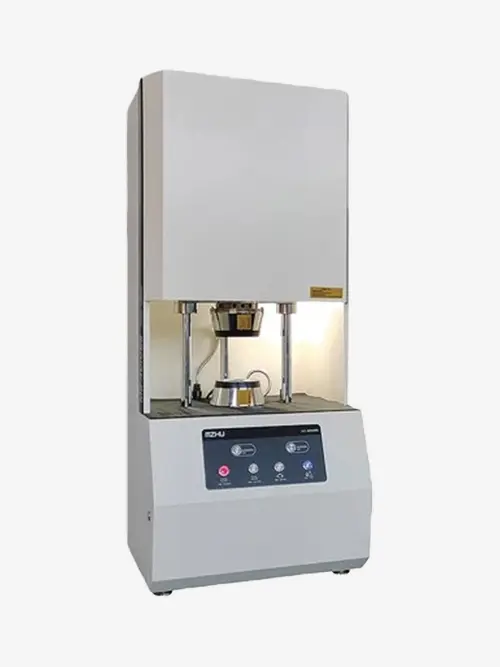
Rotorless Rheometer / No Rotor Curemeter
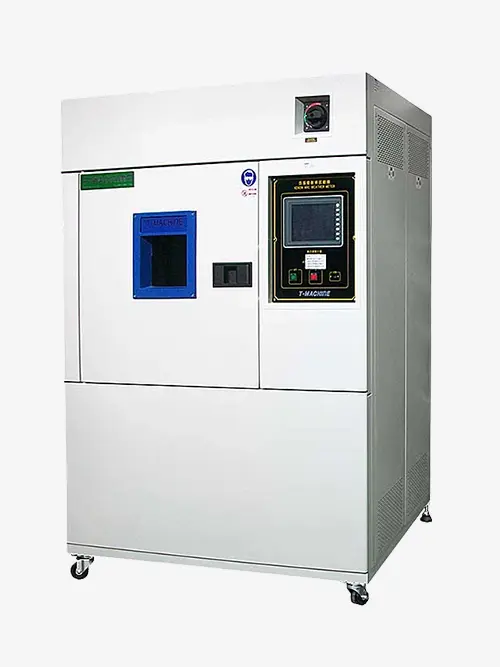
Xenon Lamp Weather Resistance Test Chamber
One-Stop Rubber Solutions: Design, Produce, Delivery.
All For Your Industrial Needs.

Consult


Design

validate

produce

deliver

Support
A: Rubber compounding is the “source” of rubber product quality, and the ratio accuracy of raw materials directly determines the final performance of rubber strips/seals. Automatic weighing & batching relies on PLC intelligent control + high-precision load cells (accuracy ≤±0.1g) to realize precise batching of raw rubber, additives, and vulcanizing agents. Compared with manual batching, it eliminates human error (performance deviation of rubber compound ≤±3%), improves batching efficiency by 3-5 times, and records all data in real time for traceability—fully meeting the quality management requirements of IATF 16949/ISO 9001.
A: For corrosive scenarios (chemical reaction kettles, electroplating tanks, acid-base pipelines), the core is to select materials with strong chemical stability:
Structurally, avoid hollow designs—use solid/closed-cell foam structures to prevent corrosive media from entering the interior, and the surface can be coated with anti-corrosion coating for secondary protection.
A: Based on IATF 16949/ISO 9001, the full-process quality control of rubber products is divided into 5 core steps:
A: Industrial rubber strips are mainly matched by equipment protection requirements + installation structure, the core scheme is:
The key is to ensure the rubber strip is fully compressed during installation (compression rate 20%-30%) to achieve the designed IP grade.
A: The correct installation of rubber strips depends on the installation method, with 3 key points for common types:
After installation, check the fitting degree—ensure full contact with the equipment/body without gaps.
We will contact you within one working day. Please pay attention to your email.
WhatsApp: +8613776977440
Email: info@unicorpt.com
Adress: Pudong New Area, Shanghai, China


COPYRIGHT© 2026 Unicor Polymer Technologies Co., Ltd. | Privacy Policy