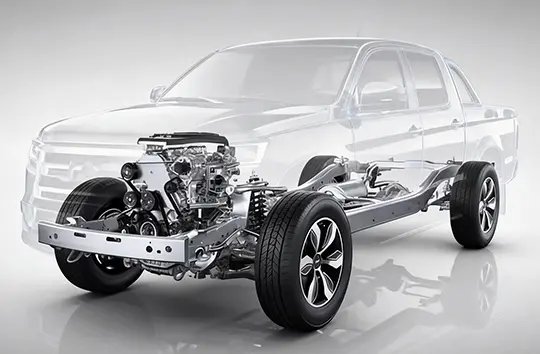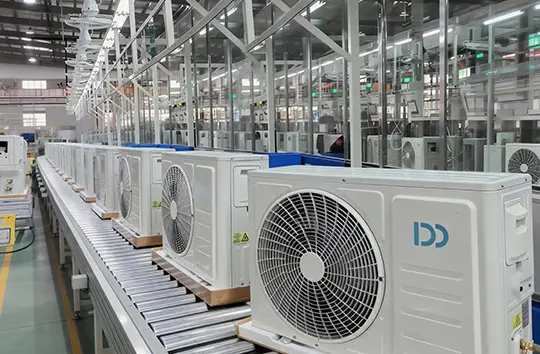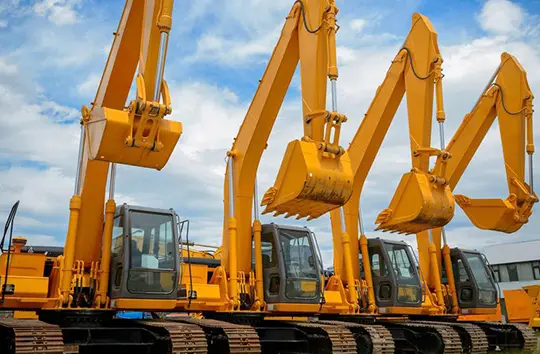
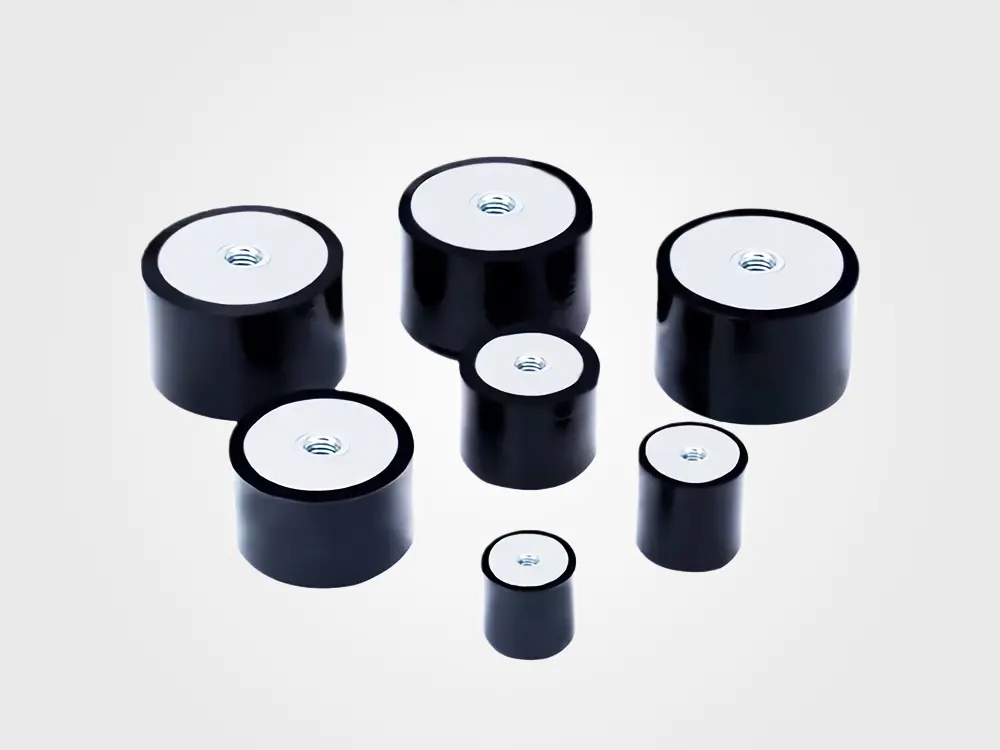
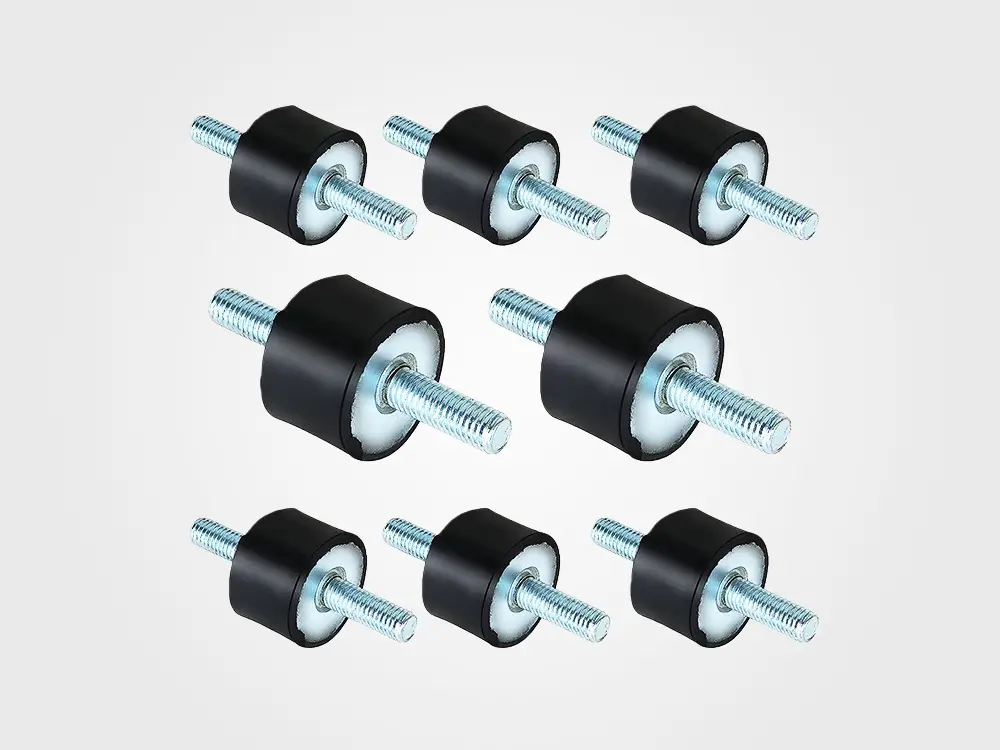
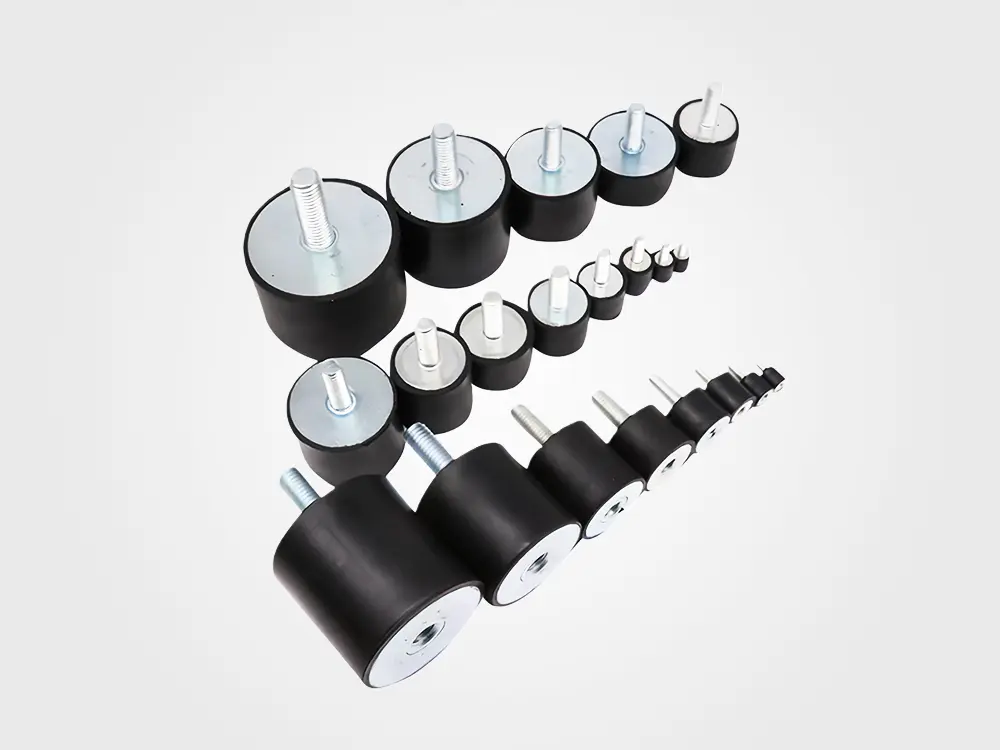
Our high-performance Pads and Shock Absorbers are engineered to isolate vibration and eliminate noise in demanding mechanical environments. With a shock absorption efficiency of ≥60% and superior fatigue resistance, these components maintain their elasticity over long-term use without attenuation. Whether for automotive chassis, renewable energy equipment, or heavy machinery, our pads provide a stable, anti-slip interface that protects your equipment and enhances operational comfort.
Temperature Range -40°C to 120°C
Hardness Range 30 to 80 Shore A
Size Range 1010mm to 500500mm
Shock Absorption Efficiency ≥ 60%

Complies with ASTM D2240 and GB/T 28682 damping specifications.

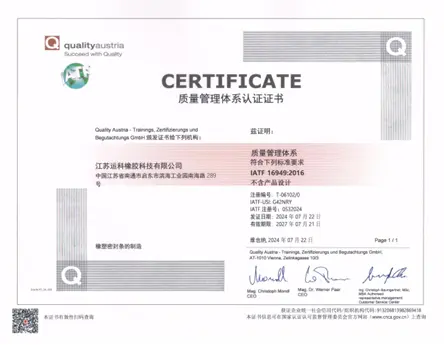
Automotive-grade quality, fully certified under IATF 16949.

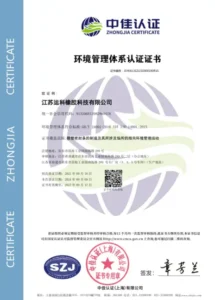
Entire production facility meets ISO 14001 environmental standards.

Verified through rigorous 1,000,000+ cycle fatigue and absorption tests.
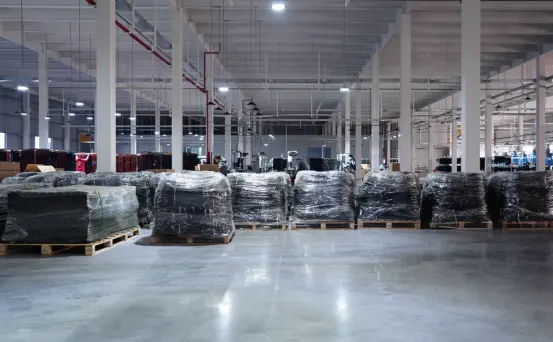
With a fully vertically integrated production system, UPT achieves full-process control from polymer material formulation R&D to finished product certification and delivery.
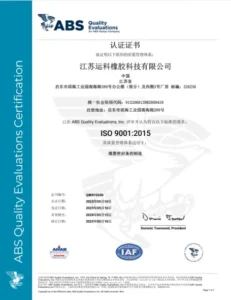
Our company has successively obtained the three authoritative certifications of IATF 16949 Automotive Quality Management System, ISO 14001 Environmental Management System and ISO 9001 Quality Management System, fully meeting the stringent standards of various industries worldwide, especially those in the automotive sector.
During production of sealing strips, our QC engineers cut cross-sections for 10x magnified checks every 20 minutes. They accurately measure the rubber products’ dimensions, tolerances and geometric errors to ensure they match design drawings and meet customer assembly needs.
We also test the products’ physical and chemical properties per standards to guarantee complete vulcanization and stable performance. Friction and wear tests are carried out to check the abrasion resistance of rubber products and their coatings, while mechanical tests verify the material’s tensile and tear strength.
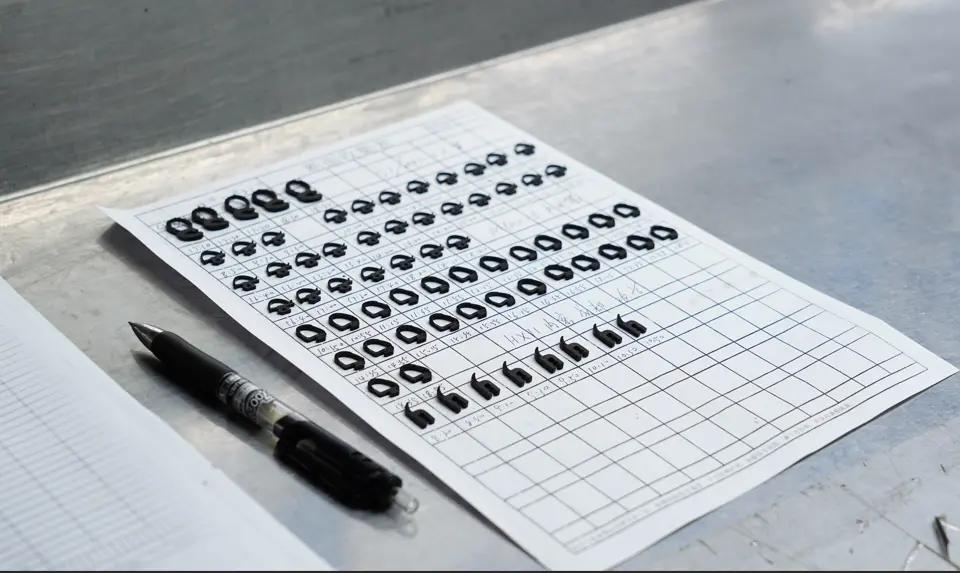
20-Min Interval Cross-Section Checks
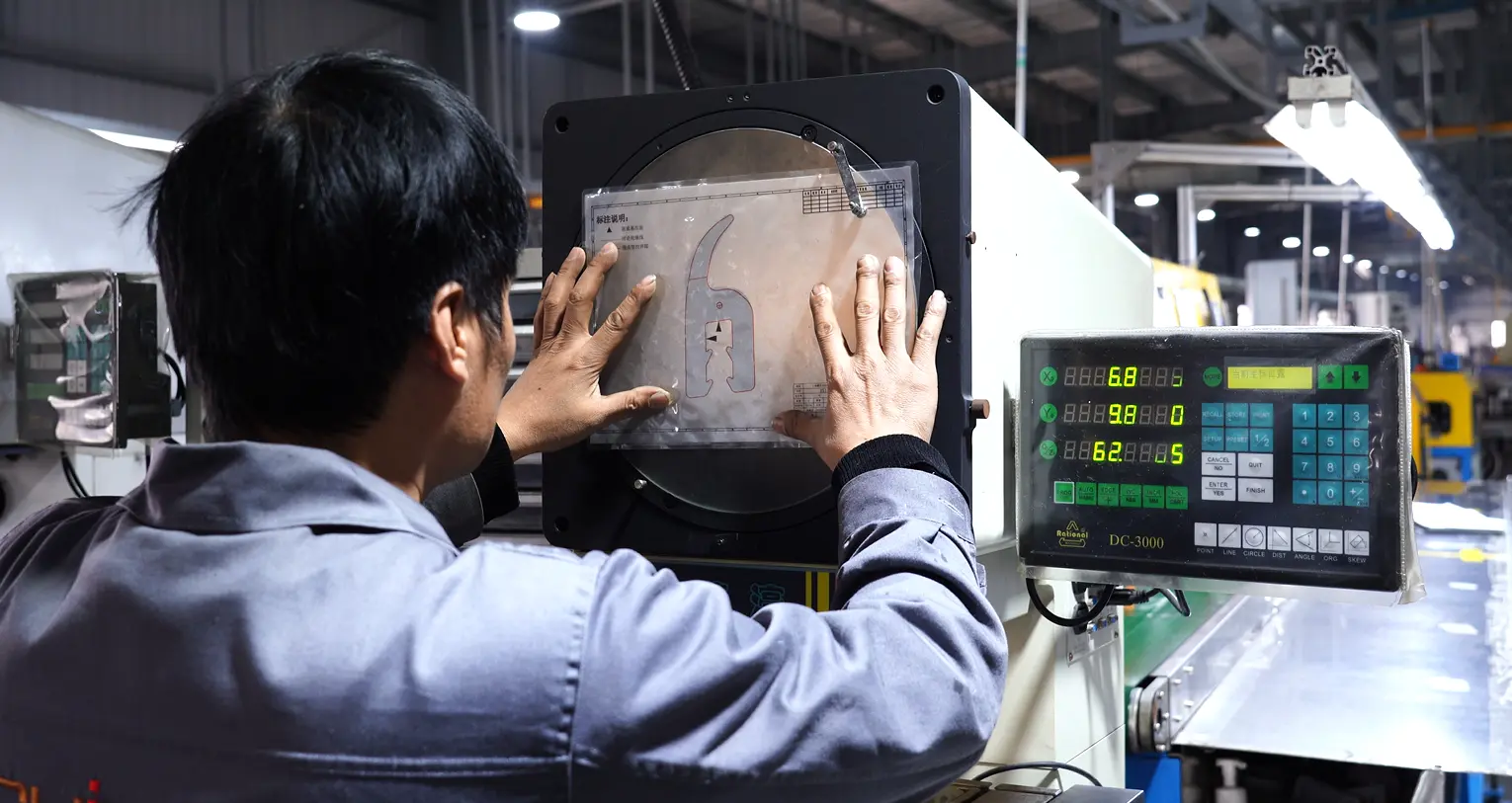
10x Magnification | Precision Guaranteed
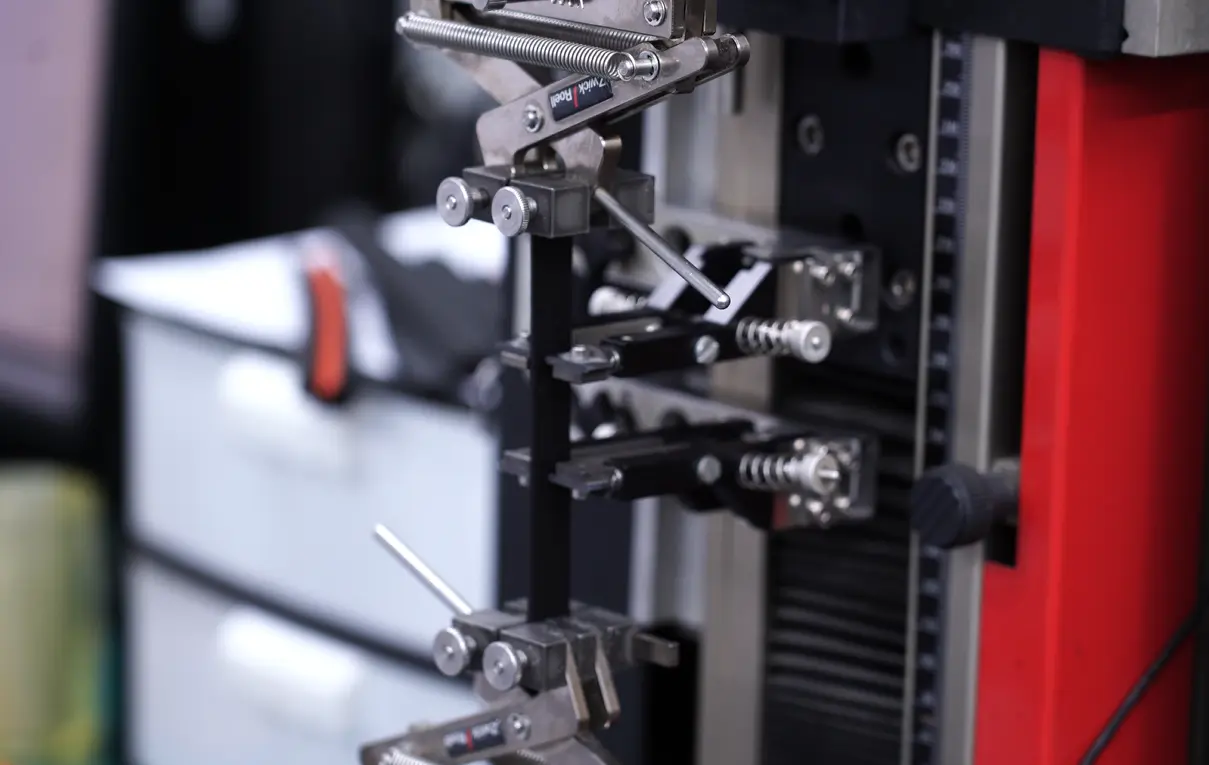
Tested for Tensile & Tear Resistance
Spanning approximately 500 square meters, our laboratory is fully equipped with advanced apparatus and boasts strong testing capabilities.We can independently conducting comprehensive testing on a wide range of rubber products。
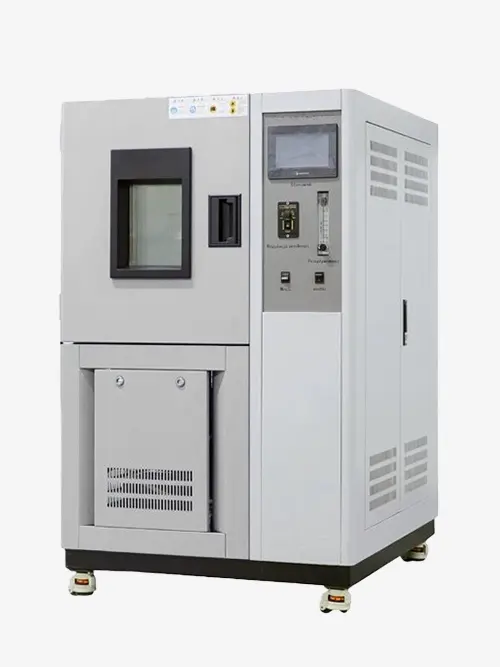
Ozone Aging Test Chamber
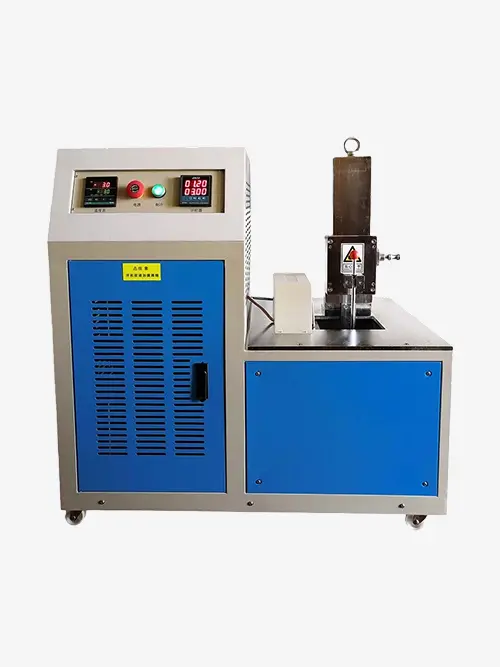
Low Temperature Brittleness Tester
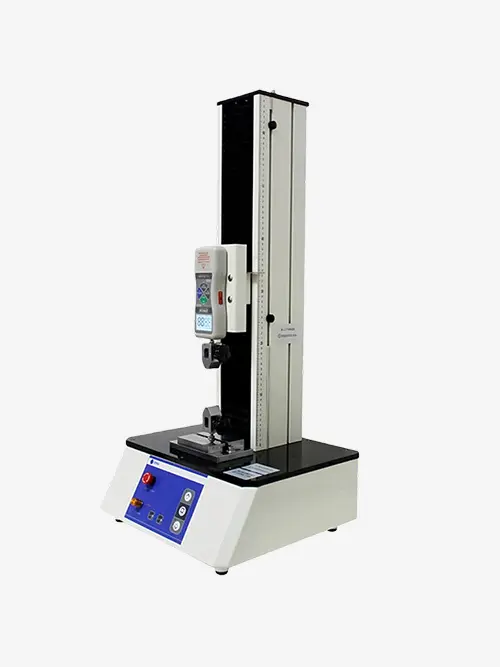
Electronic Tensile Testing Machine
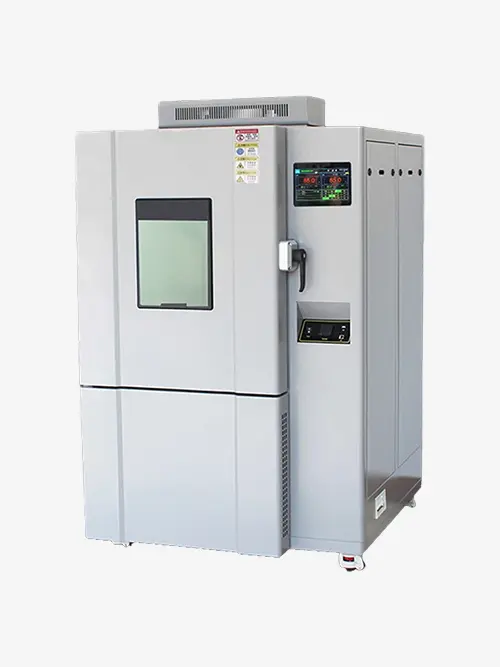
High and Low Temperature Alternating Humidity and Heat Test Chamber
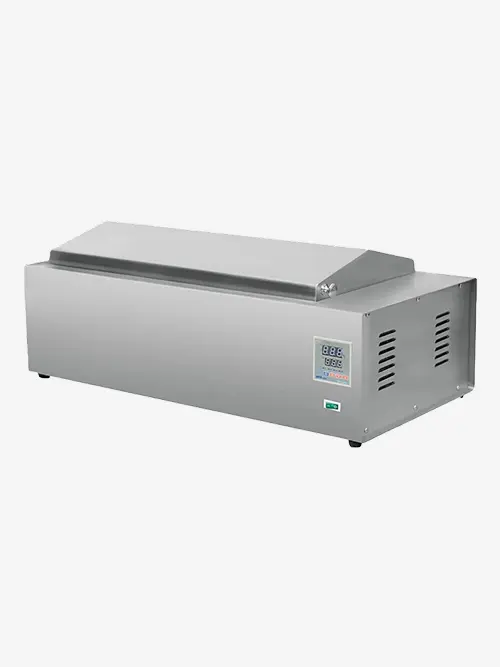
Constant Temperature Water Tank
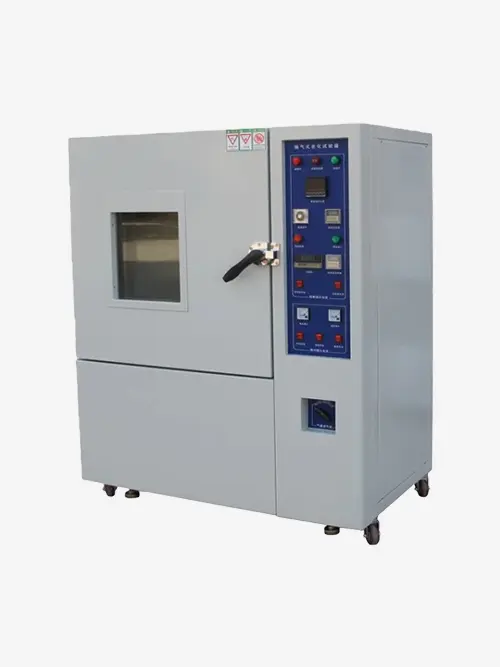
Aging Test Chamber
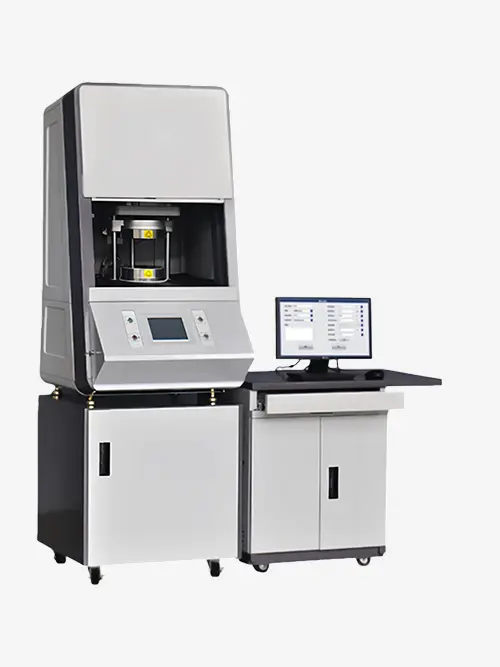
Mooney Viscometer
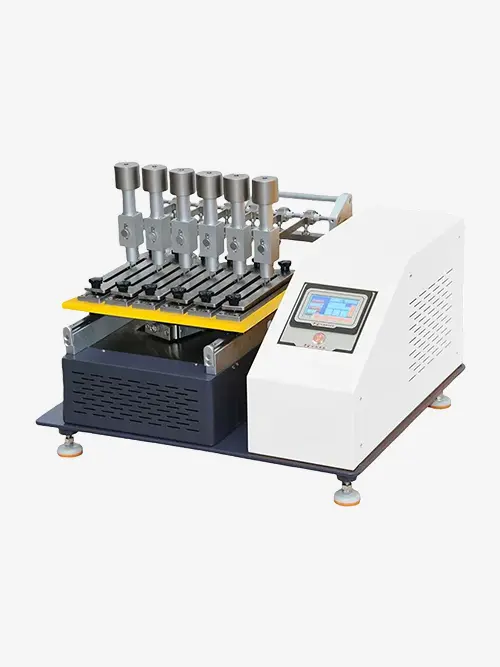
Automotive Seal Strip Abrasion Tester
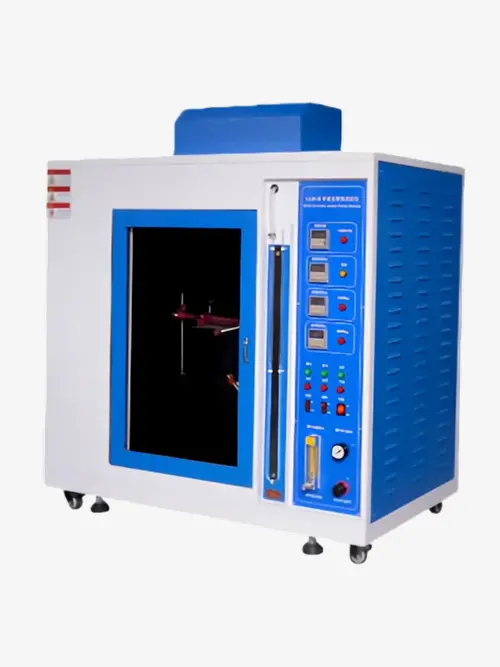
Automotive Interior Combustion Test Chamber
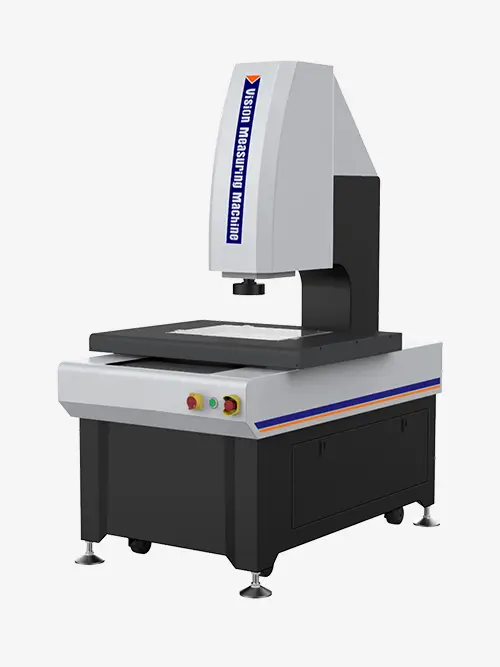
Fully Automatic Image Measuring Instrument
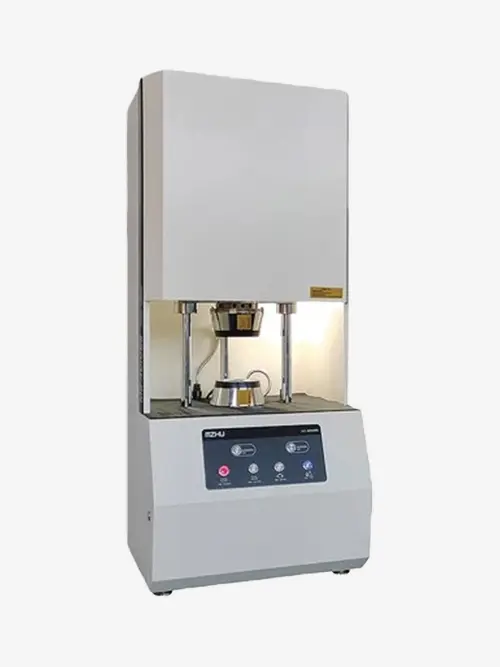
Rotorless Rheometer / No Rotor Curemeter
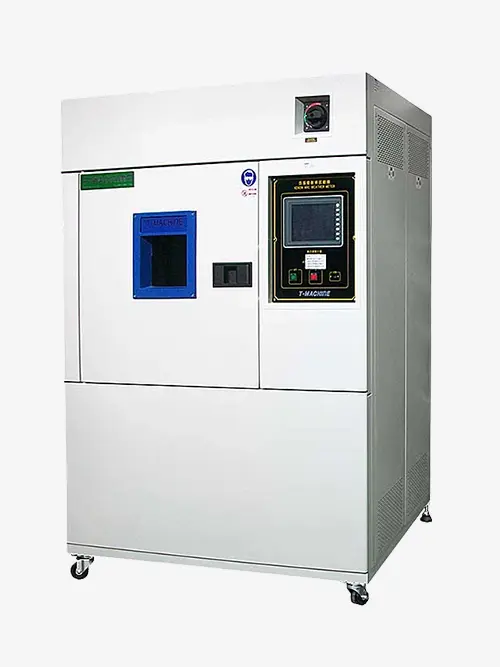
Xenon Lamp Weather Resistance Test Chamber
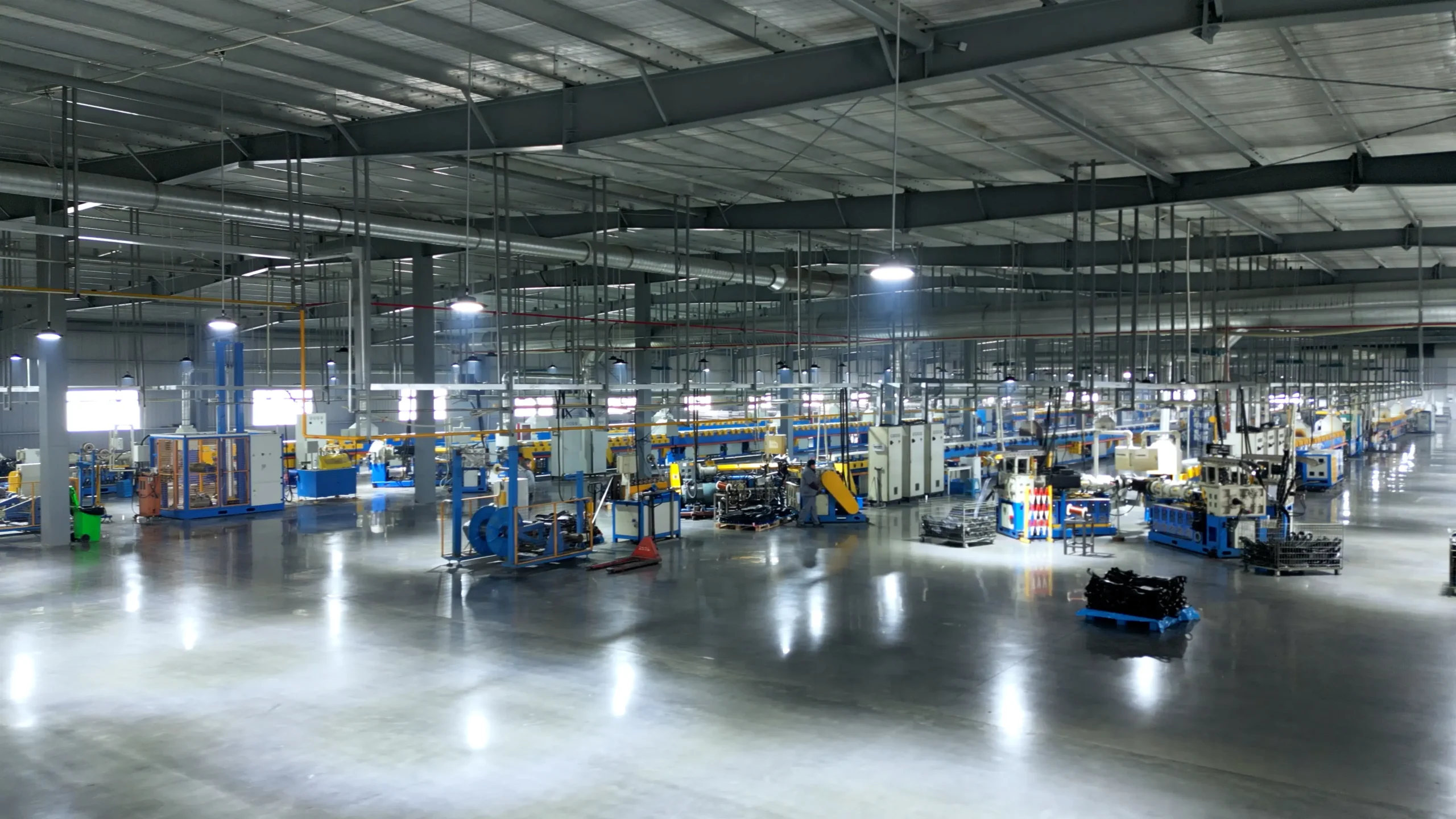
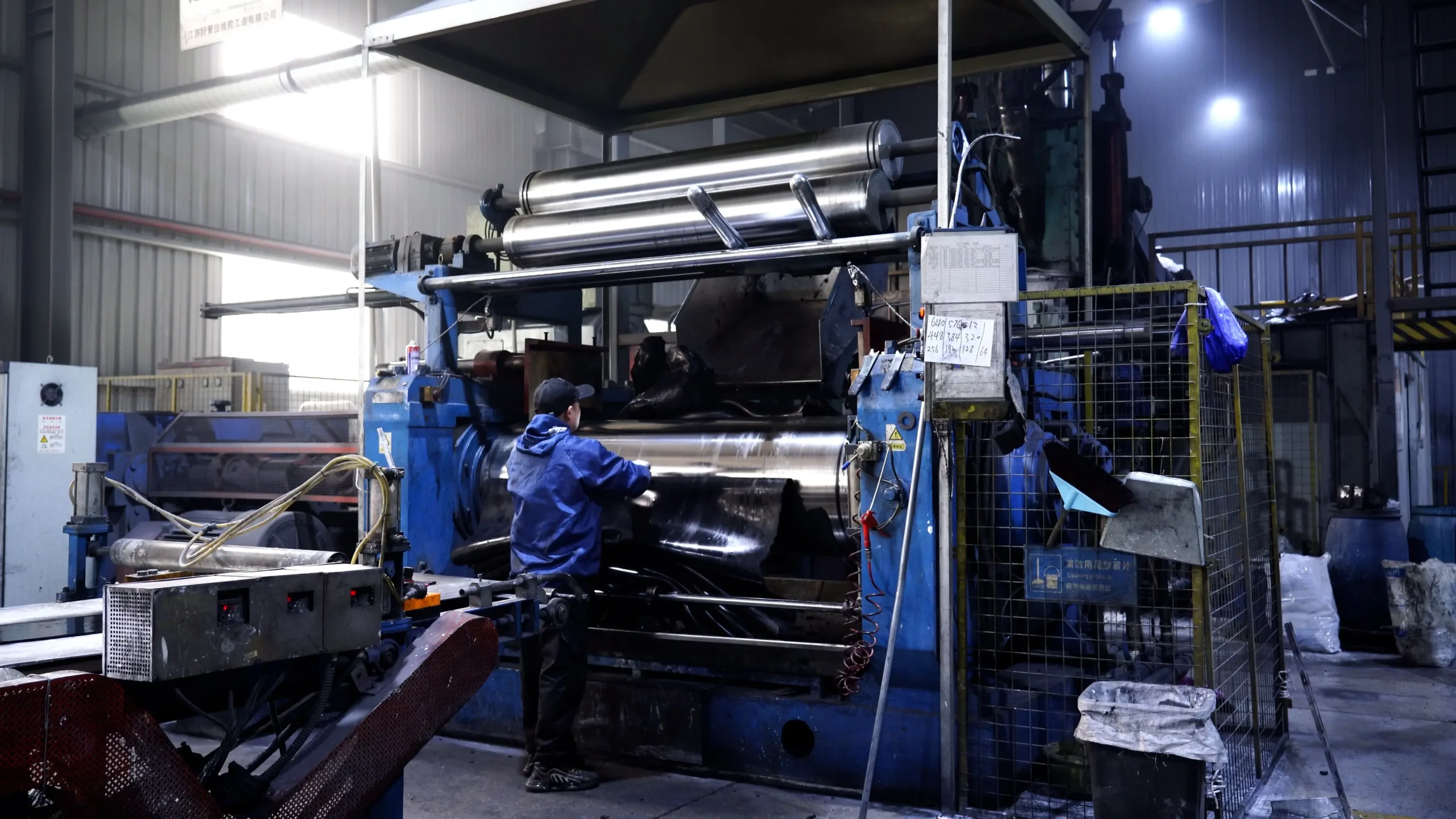
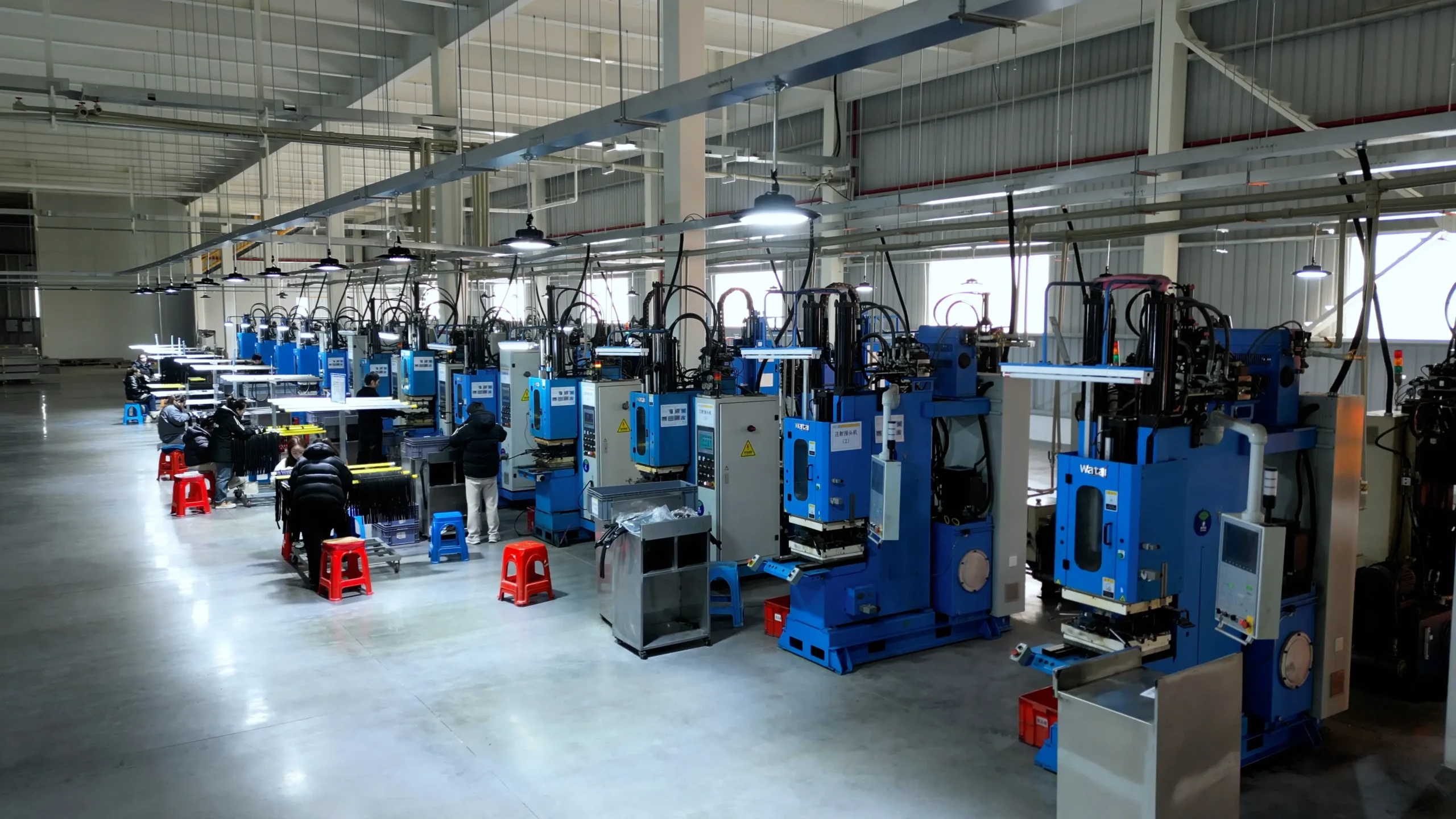
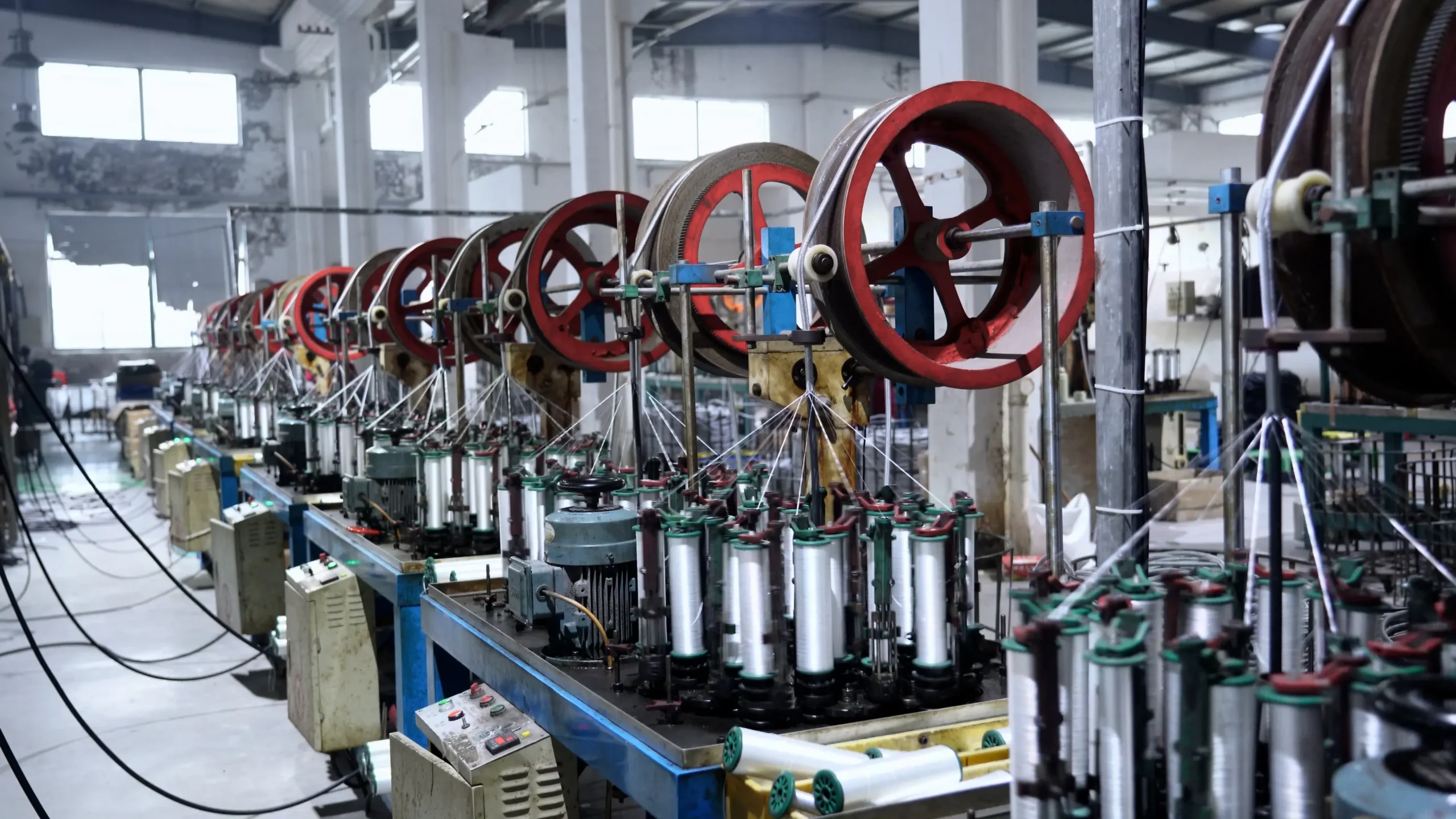
One-Stop Rubber Solutions: Design, Produce, Delivery.
All For Your Industrial Needs.

Consult


Design

validate

produce

deliver

Support
A: Reliability starts with Material Tuning. We optimize the cross-linking density of the rubber to reduce compression set. Every batch of O-Rings undergoes rigorous Lab Validation for hardness consistency and surface finish, ensuring a perfect seal without leakage under fluctuating pressures.
A: Yes. We can customize Pads & Shock Absorbers within a range of 30 to 90 Shore A. By adjusting the rubber formulation, we control the energy absorption characteristics, providing the precise vibration isolation required for your specific industrial machinery.
A: For precision Diaphragms, we maintain tight tolerances within ±0.05mm. Our Rubber Sheets can be reinforced with fabric inserts (like Nylon or Polyester) to enhance tensile strength and prevent tearing under high-frequency cycling.
A: Absolutely. We excel in Rubber-to-Metal Bonding. Our engineering team assists in the Design phase to ensure optimal bonding strength for your Special-Shaped Parts, providing a durable, integrated solution for complex structural requirements.
A: Yes. We offer specialized formulations including FKM (Viton), HNBR, and EPDM. Through our Lab Validation process, we perform immersion tests to ensure the material retains its elasticity and structural integrity when exposed to aggressive media.
A: We offer a fast-track Batch OEM Supply service. For flat components like Rubber Sheets & Pads, we can use water-jet or laser cutting for rapid prototyping without the need for expensive tooling, allowing you to test the fit and function before mass production.
We will contact you within one working day. Please pay attention to your email.
Vehicle Series
Building doors and windows series
Container & Refrigerated Truck Series
General Purpose Series
Vehicle Series
Building doors and windows series
Container & Refrigerated Truck Series
General Purpose Series
Vehicle Series
Building doors and windows series
WhatsApp: +86-xxxxxxxx
Email: xxxx@xxxx.com
Email: xxxx@xxxx.com
Adress: Shanghai, Pudong, Shanghai, Pudong China.


COPYRIGHT© 2026 Unicor Polymer Technologies Co., Ltd. | Privacy Policy